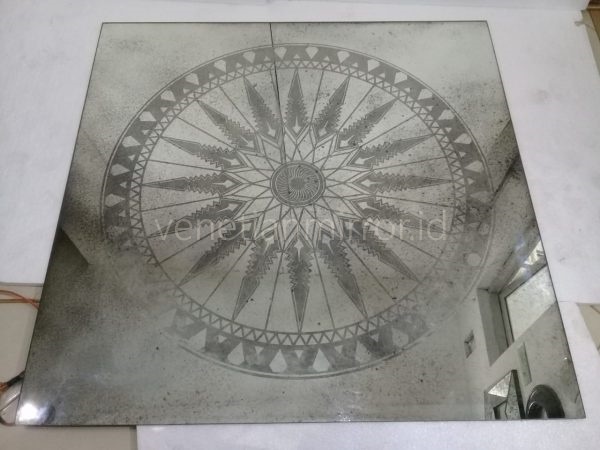
Luxury hospitality projects demand mirrors that do more than fill a wall. They need to reinforce brand positioning, survive intensive cleaning schedules, meet international safety standards, and arrive on site exactly when contractors need them. Use this checklist to structure your next tender or RFQ so you capture all the information manufacturers like VenetianMirror.ID require to deliver flawless results.
1. Translate design intent into tangible specs
- Visual direction: provide mood boards, renderings, or reference SKUs. Note any regional motifs (art deco, Arabesque, modern minimal) and how mirrors should complement lighting plans.
- Dimensions & tolerance: list finished sizes, thickness, bevel requirements, and whether mirrors must be templated for wall irregularities.
- Materials & finishes: specify glass type, backing colors, antique treatments, metal frames, or timber details. Indicate whether matching casegoods are needed.
- Functional extras: defoggers, lighting (front/back lit), audio integration, smart mirror modules, or branding plaques.
Tip: bundle mirrors into “families” (guestroom, corridor, public area) to streamline engineering reviews and pricing.
2. Capture compliance & testing requirements
- Safety glass: bathroom and full-length mirrors typically require compliance with ANSI Z97.1 and CPSC 16 CFR 1201. Note if tempered or laminated construction is mandatory.
- Electrical & lighting: illuminated mirrors must use UL/ETL-listed drivers, LED modules, and wiring. Ask vendors for NRTL certificates and component datasheets.
- Chemical disclosures: provide Prop 65 warnings where applicable and secure VOC emission reports for sealants and coatings.
- Environmental goals: if the project targets LEED/WELL, outline recycled content, FSC packaging, or waste diversion goals.
3. Align production & delivery timelines
- Critical milestones: release for production, mock-up approval, first-article inspection, packing completion, on-site delivery.
- Lead times: provide desired ship dates per zone or floor. Flag items that must airship.
- Phasing strategy: note whether mirrors should arrive per tower, per block of rooms, or in full containers.
- Approval cadence: agree on how often you expect progress photos, QC reports, and coordination calls.
4. Define logistics & installation parameters
- Incoterms: clarify FOB/CIF/DDP preferences and nominate freight forwarders or ask the manufacturer to quote door-to-door.
- Packing & labeling: indicate crate sizes, pallet requirements, barcode/ASN labels, and whether pallets must be double-stacked.
- Delivery location: mention loading-dock restrictions, hoist availability, and whether mirrors need room-ready packaging.
- Installer coordination: provide contact info for general contractors so the factory can supply mounting drawings and hardware kits.
5. Evaluate vendors beyond unit cost
- Engineering support: assess how quickly suppliers translate concepts into production drawings and prototypes.
- Quality systems: request AQL procedures, traceability records, and sample QC reports.
- Communication: confirm timezone overlap, language capability, and escalation paths.
- After-sales plan: ask about spare kits, warranty terms, and ability to reproduce mirrors for future renovations.
Documenting these items early reduces RFQ revisions and helps factories reserve the right materials and workshop slots. Download the full template or invite your shortlisted vendors to fill in the checklist collaboratively.
Need support building your mirror package? Email [email protected] or WhatsApp +62 812 2722 7150 to speak with VenetianMirror.ID’s export team.